
The Emperor Yes or No
The Emperor is a yes
Yes, and you can stop reading here if that was all you wanted. Wherever this card turns up in the spreads here, the Emperor yes or no comes back positive. What the rest of this page adds is the condition attached to it, because this particular yes comes with one.
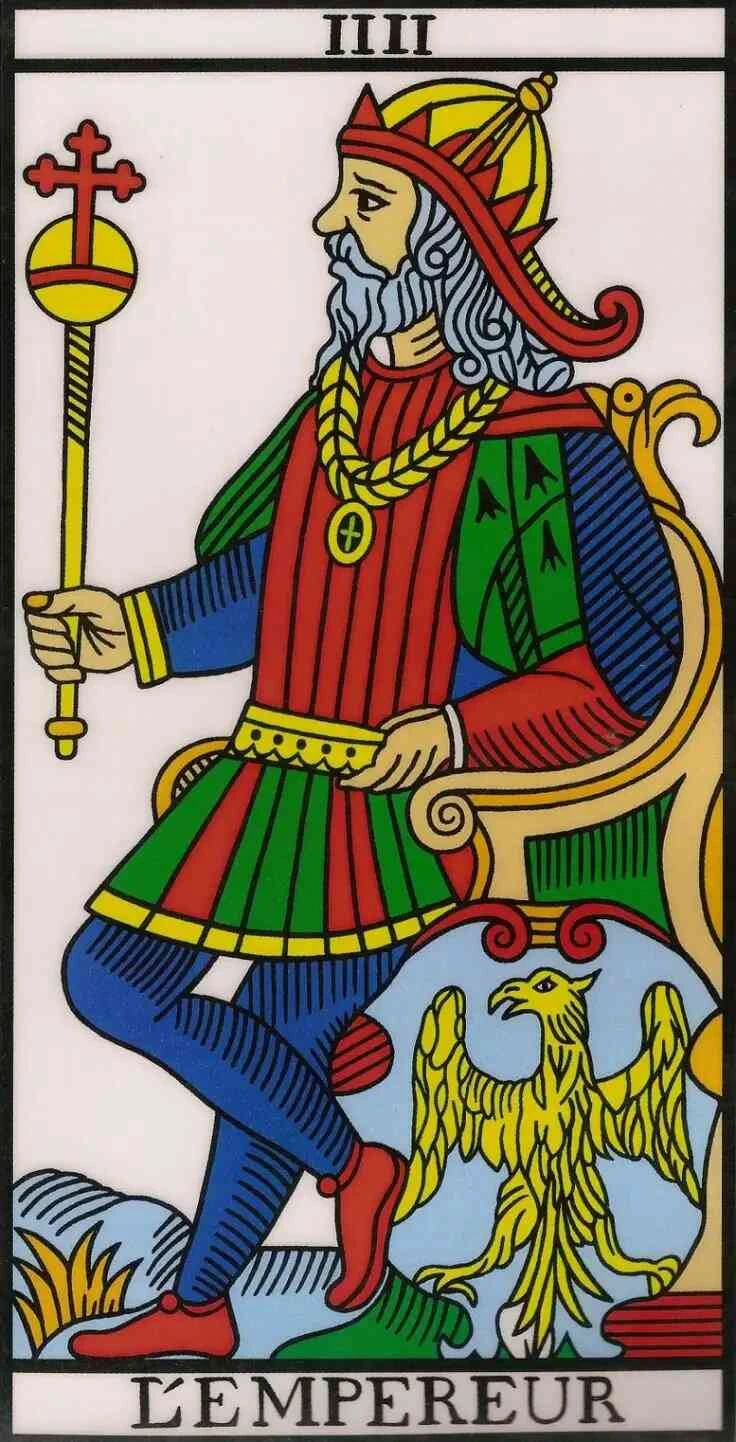
The Emperor tarot card meaning, yes or no
A man sits on a stone throne with rams carved into the arms, holding a sceptre, armour showing under the robe, bare mountains behind him. Nothing in the picture moves. That is the point of it.
This is the card of structure: rules, authority, the long plan, the thing built to outlast the mood of whoever built it. So when it answers a yes or no question, it is not telling you that the outcome will be pleasant or that it will arrive soon. It is telling you that what you are asking about can hold weight, provided somebody does the building.
That makes it one of the least romantic cards in the deck to draw, and one of the most reliable. The Emperor rarely flatters a plan and it almost never promises speed.
A yes with a bill attached
Every yes in this deck says yes differently, and the Emperor yes or no says it the way a bank does: approved, terms apply.
What the terms amount to is usually effort, patience and a willingness to be the one who sets the rules. If you were hoping the answer would arrive and sort itself out, this is the wrong card for that hope. Nothing in it happens on its own. The throne is stone, which means it will still be there in ten years, and also that somebody had to quarry it.
Read the yes that way and the card stops being stern and becomes useful. It is confirming the thing is viable. It is declining to pretend it is free.
Does the Emperor mean an actual person?
Sometimes, and it is worth being careful here because it is the most common misreading of this card.
Plenty of readers see a father, a boss, an older man, somebody with authority over the situation. That reading exists and it is not wrong. But when the only thing being asked is yes or no, this card points at a role far more often than at a human being, and the role is frequently yours. The question it tends to be answering is not who is in charge of this. It is whether anyone is.
If the honest answer to that is nobody, you have just been handed both your yes and your instruction.
The Emperor yes or no in love
This is where the card is most likely to be misread as cold.
A yes here is a yes about whether the relationship can take a defined shape: terms agreed, expectations said out loud, something you could describe to another person without hedging. It is not a card about passion and it is not pretending to be. What it says is that this will hold if it is given a form.
Which is why so many relationship questions that turn up the Emperor are really questions about commitment. Will this be defined. Will somebody say what it is. The card answers yes and then stands there waiting, because defining a thing is not something a card can do on your behalf.
Where it does warn is at the edge of that same quality. Structure that nobody is allowed to revisit stops being structure and becomes a rule imposed on one person by another. The yes covers the first and not the second.
The Emperor yes or no for work and money
This is the Emperor’s home ground, and the yes is at its strongest here.
Questions about taking responsibility, formalising something, signing, incorporating, setting a process or stepping into a role with your name on it all get a clean yes from this card. So do the slow ones: the five year plan, the thing that compounds, the decision whose payoff is boring and certain rather than exciting and uncertain.
What it does not back is improvisation. If you asked about moving fast, cutting a corner or trying something because the window is open, the Emperor’s yes is agreeing with the destination while quietly disagreeing with the route. Build it properly and it says yes. Wing it and you are no longer asking this card.
The Emperor reversed, and what that would mean
Reversed, the reading most readers use is authority gone stiff: control kept for its own sake, rules that only serve whoever wrote them, a structure nobody is allowed to question any more. Some read it instead as the opposite failure, nobody taking charge at all and everything drifting.
Neither applies to anything you will draw here, because the cards in these spreads are never reversed. They come out one way up by design, so this card answers yes on a Monday and yes six months later.
Take the yes and set the terms
The Emperor is agreeing with you and handing you the work in the same gesture. The useful question after this draw is not whether to go ahead, which has been answered, but what structure the thing needs in order to survive you losing interest in it.
If you want to put a second question to the cards, the one card spread is the place. And the full list holds the other twenty one verdicts, split fourteen to eight.
One card, one verdict, nothing else.